

A shotgun microphone does not automatically sound bad indoors. The trouble usually begins when it is too far from the speaker or aimed toward hard surfaces. The microphone then captures a strong mix of direct speech and delayed reflections, which can make dialogue sound hollow, harsh, or distant. The interference tube that gives a shotgun …
Month: March 2026
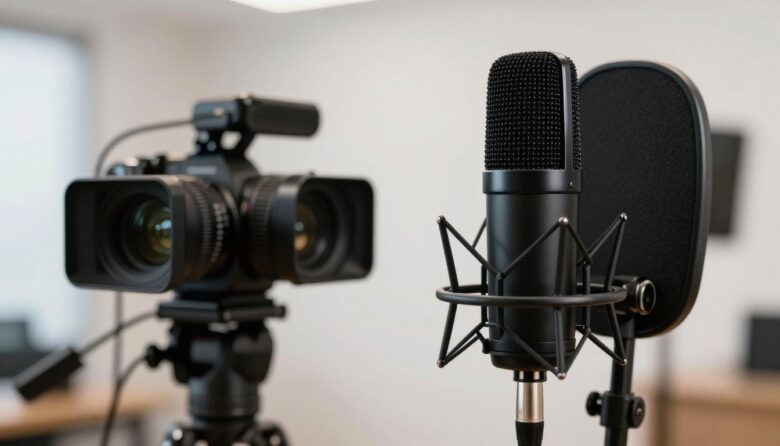
Clean on-camera audio depends on leaving enough headroom for unexpected peaks while keeping the signal comfortably above the camera’s noise floor. The goal is not to push the meter as high as possible. It is to set every stage in the recording chain so that normal speech is clear and the loudest expected moment remains …
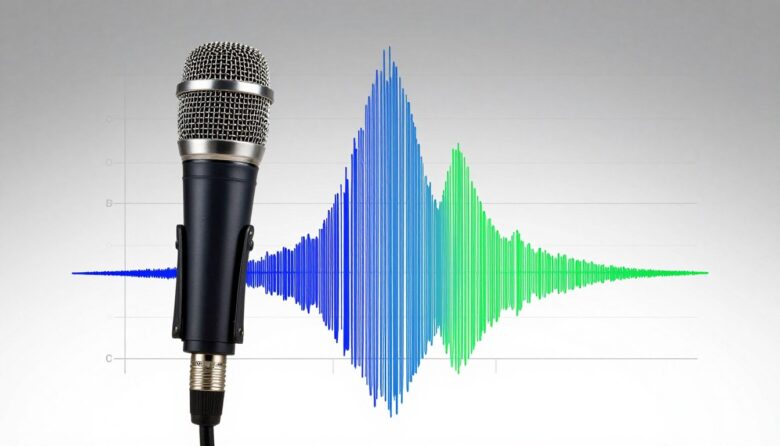
A natural-sounding voice depends on more than whether a shotgun microphone claims to cover the full audible spectrum. The shape of its frequency-response curve, its off-axis behavior, the room, and the distance from the speaker all influence the result. The most useful specification is rarely a simple range such as 20 Hz–20 kHz. A microphone …
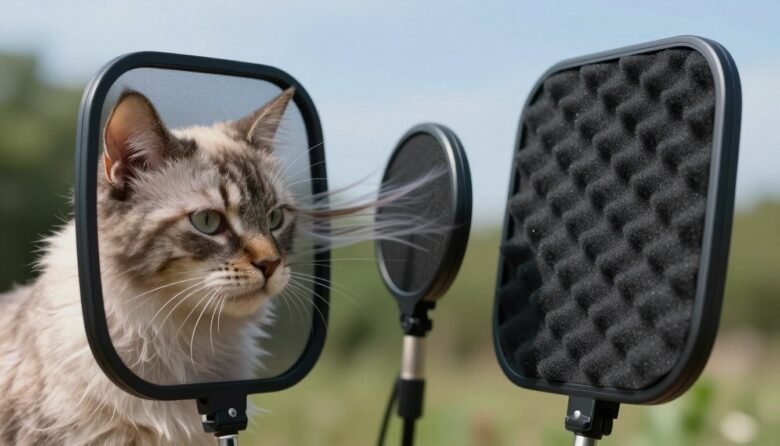
Wind noise can ruin an otherwise usable outdoor recording. It often arrives as heavy low-frequency rumble, intermittent thumps, or distortion that is difficult to repair later. The right protection depends on how much air is moving, the microphone’s design, and whether the mic is mounted on a camera, boom pole, or stand. A foam windscreen …
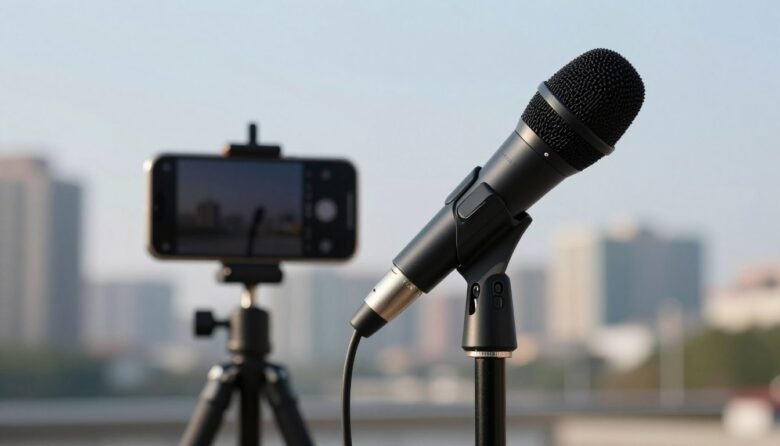
A dedicated directional microphone can make smartphone dialogue easier to understand, but the microphone alone is not the whole solution. Connection type, placement, wind protection, gain, and the distance from the speaker all affect the recording. The best mobile microphone is therefore not simply the model with the longest body or the most controls. It …
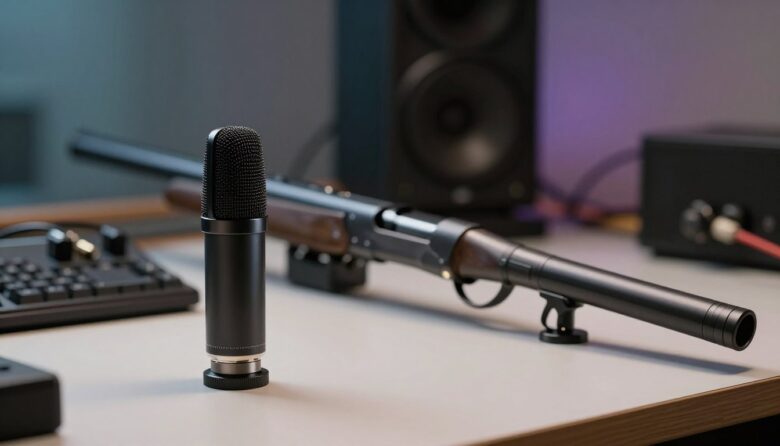
Shotgun microphone length matters, but not because a longer microphone acts like an audio zoom lens. The interference tube mainly changes how the microphone responds to sound arriving from the sides. A longer tube can extend that directional effect into lower frequencies, while a shorter tube is easier to mount, aim, and use in tight …
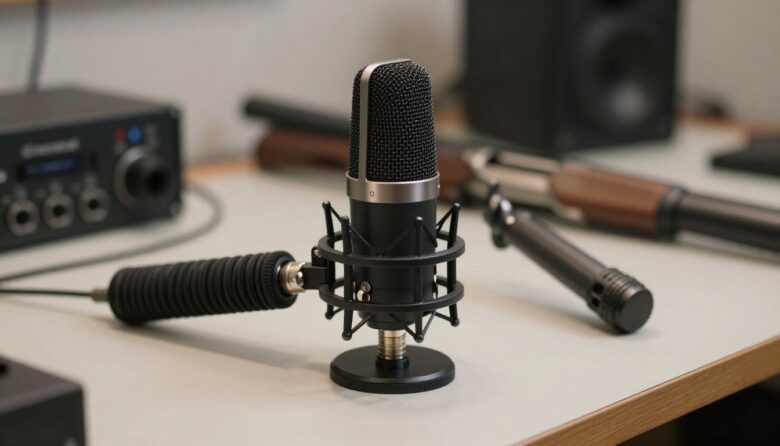
A shotgun microphone can capture clear dialogue and still produce distracting thumps, rumble, or cable noise if it is attached directly to a camera, stand, boom pole, or handgrip. A shock mount addresses that problem by suspending the microphone so less mechanical vibration reaches its body. It will not correct poor placement, room reflections, wind …
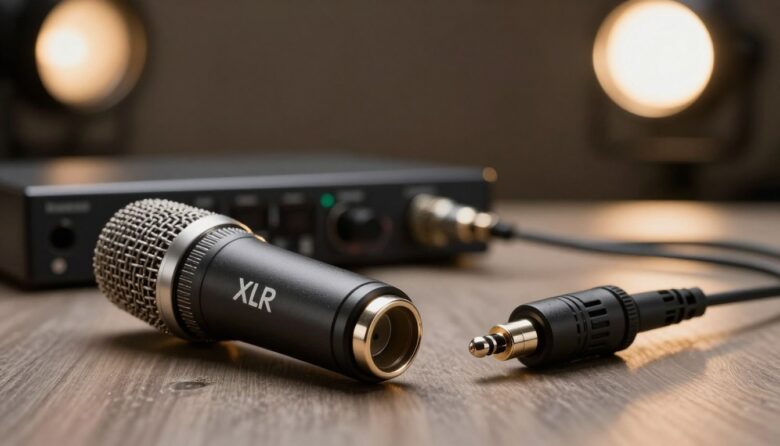
Choosing between an XLR and a 3.5mm shotgun microphone is mainly a workflow decision. XLR systems are better suited to long cable runs, external recorders, mixers, and cameras with professional audio controls. A 3.5mm microphone is usually lighter, simpler, and easier to connect directly to a DSLR, mirrorless camera, or mobile rig. The connector alone …
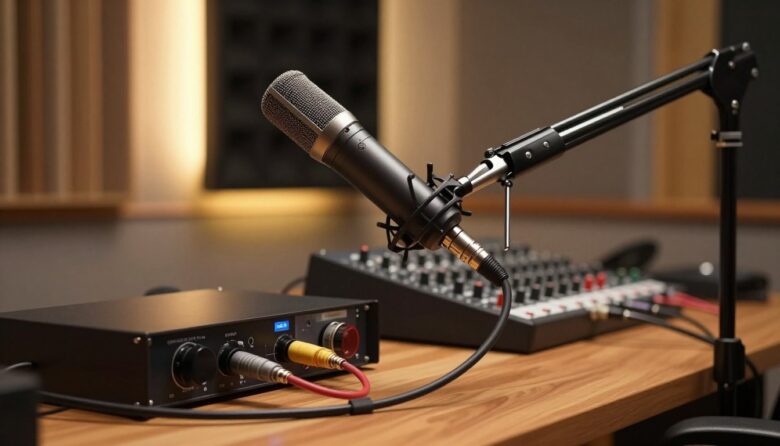
Phantom power is a DC supply sent through a balanced microphone connection to run the electronics inside many condenser microphones. It is commonly labeled 48V, +48V, or P48 on cameras, recorders, mixers, and audio interfaces. Whether your shotgun microphone needs it depends entirely on the model. Some professional XLR shotguns require P48, some can use …
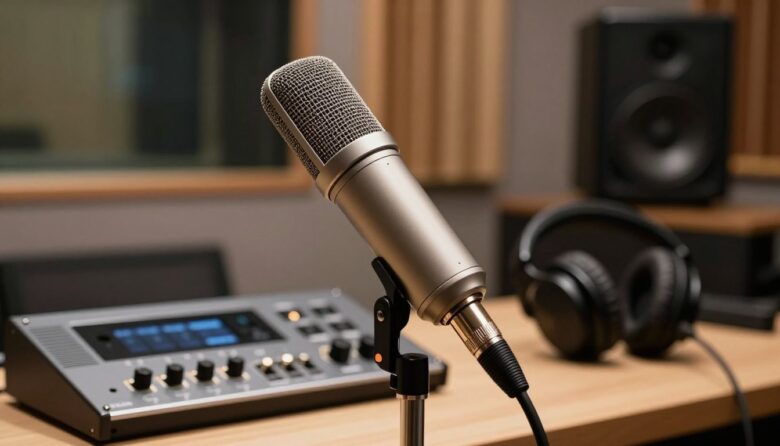
An affordable shotgun microphone can capture clean, usable dialogue, but price alone does not determine whether a recording sounds professional. Microphone distance, room acoustics, wind protection, mounting, recorder noise and gain settings all matter. The five models below cover two distinct workflows: XLR microphones intended for cameras, recorders and boom poles, and a compact 3.5mm …