

A shotgun microphone does not automatically sound bad indoors. The trouble usually begins when it is too far from the speaker or aimed toward hard surfaces. The microphone then captures a strong mix of direct speech and delayed reflections, which can make dialogue sound hollow, harsh, or distant. The interference tube that gives a shotgun …
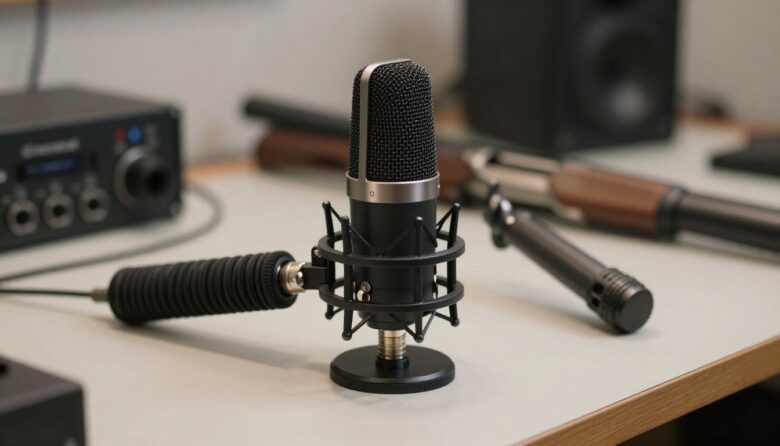
A shotgun microphone can capture clear dialogue and still produce distracting thumps, rumble, or cable noise if it is attached directly to a camera, stand, boom pole, or handgrip. A shock mount addresses that problem by suspending the microphone so less mechanical vibration reaches its body. It will not correct poor placement, room reflections, wind …
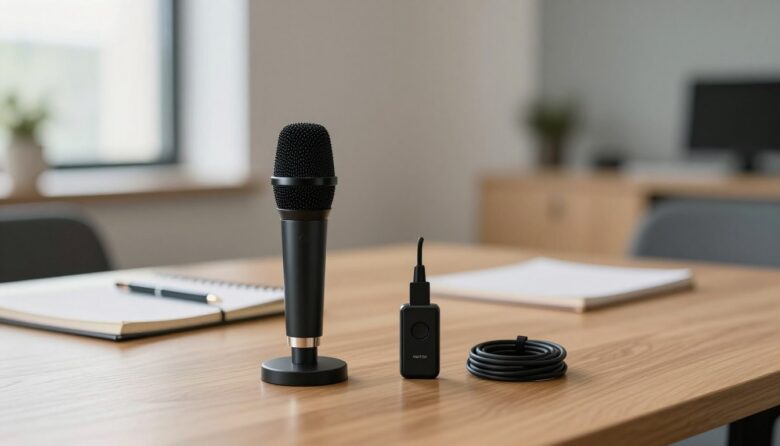
Short answer: A shotgun microphone is often the better choice for a stationary, carefully framed interview when it can be positioned close to the speaker and just outside the shot. A lavalier is usually more practical when the subject will move, the framing is wide, or there is no boom operator. Neither design is automatically …
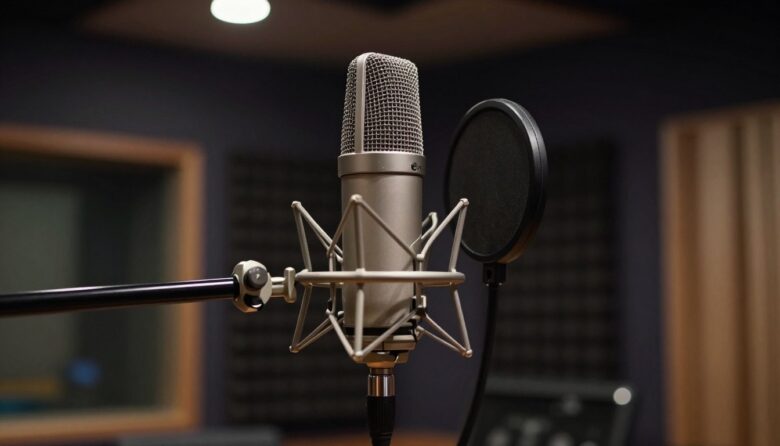
Hiss, buzz, crackle, and background noise can sound similar at first, but they do not always share the same cause. Steady hiss often points to the microphone, preamp, or excessive gain. Hum and buzzing are more likely to come from power, grounding, or nearby electronics. Crackles usually suggest a loose or damaged connection. The most …
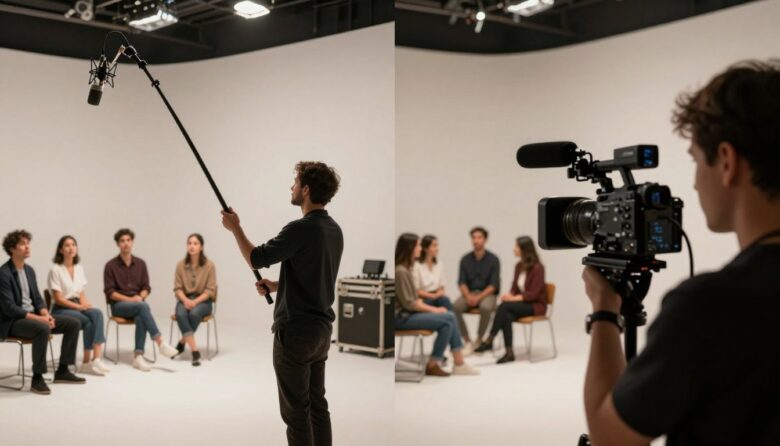
A shotgun microphone does not pull distant dialogue closer in the way a telephoto lens enlarges a subject. It mainly reduces some sound arriving from off-axis directions. If the microphone is several feet from the speaker, the recording can still sound distant, noisy, or reverberant. That is the practical difference between a boom pole and …